Opportunity scan
Where the value is, sized and ranked. A decision input, not a market report.



Strategy that survives contact with production, because the people deciding are the people who will ship it. Half our value is the projects that do not happen.
Where the value is, sized and ranked. A decision input, not a market report.
The business, the product and the operating model on one page someone signs.
Revenue thesis, cost of failure and the KPI we will be judged by.
Use cases ranked by value, with modular architecture and a business case. Not a list of tools.
A documented go / no-go, with the evidence attached and an owner named.
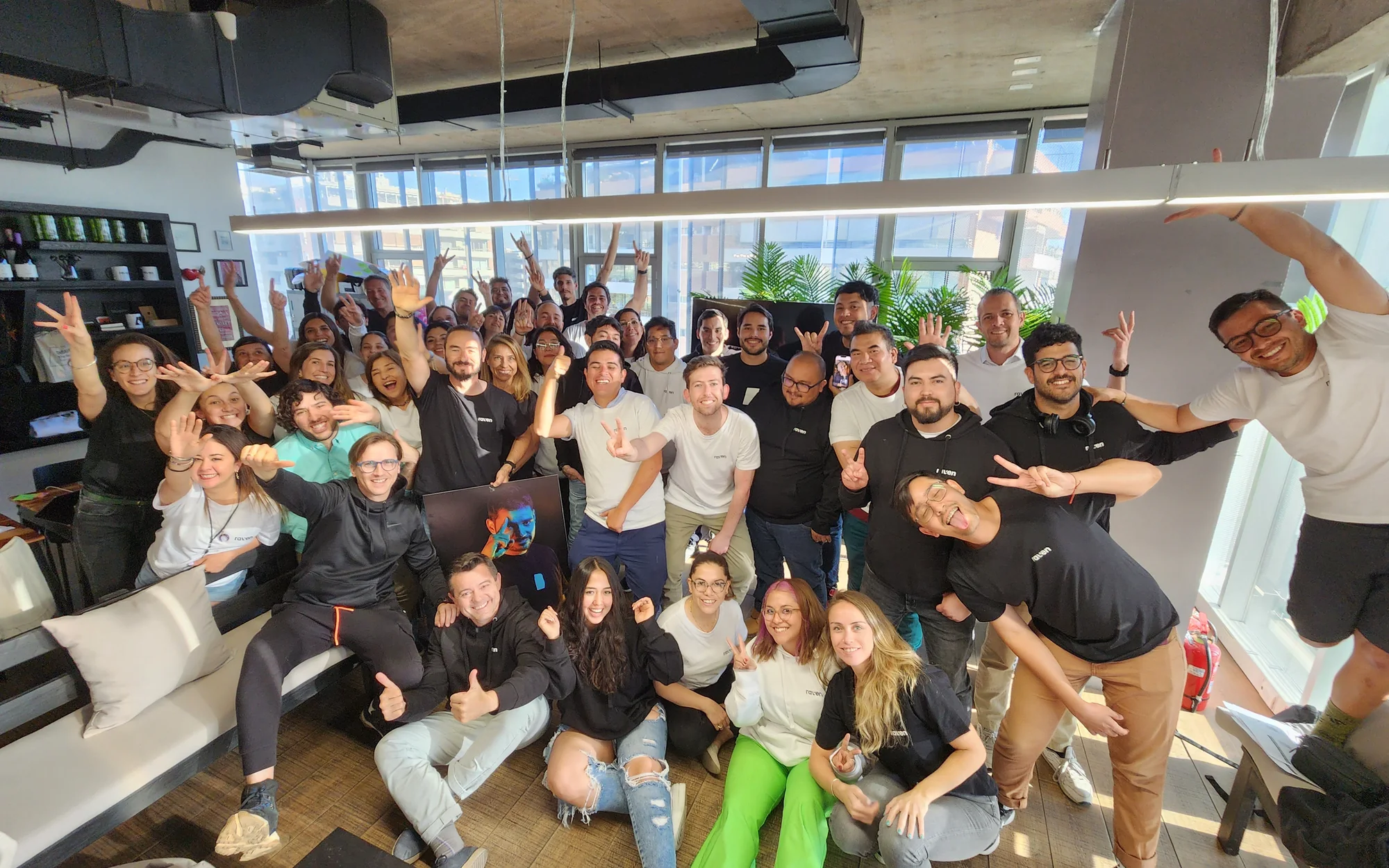
If we would not build it, we do not recommend it. That single rule changes what gets recommended.
The question sharpened, the KPI agreed, the constraints written down.
You get: the brief we will be judged byMarket, users, data and technical feasibility, in parallel and with builders in the room.
You get: options, sizedThe business case, the blueprint and the roadmap, pressure-tested against the P&L.
You get: the recommendationGo or no-go, documented. If it is go, the build plan and the team come with it.
You get: the decision, and a plan
 01See the case →
 03+40Initiatives · 4 weeksSee the sector →
We only recommend what we are willing to build, and in most cases the same team goes on to build it. That discipline is the difference: it removes the incentive to sell the ambitious answer over the true one.
Then you have saved a launch nobody would have answered for. A documented no-go in ten weeks is one of the cheapest things you can buy, and we say it plainly when we see it.
Not to start. We frame in week one with what you have, and the data work runs in parallel. Where the data is missing, the roadmap says so instead of pretending.
You can take the plan to your own teams, or we continue into Build with the same people. Both are normal, and the deliverables are written so a third party can execute them.
Bring it. Ten to twelve weeks later it will be made, with the evidence attached.